
By Kribiz Healthcare Editorial Team
Published: 24 June 2026
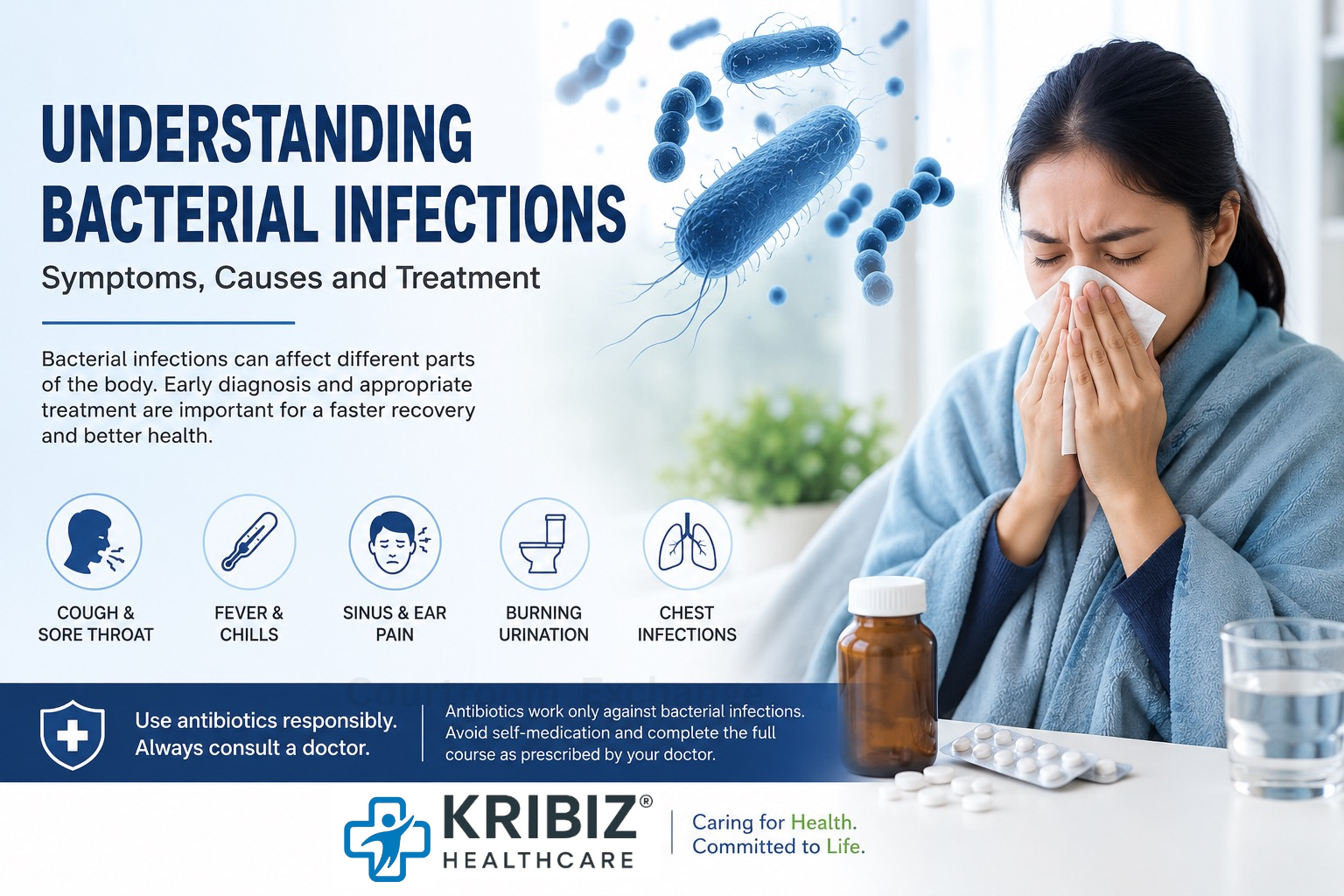
Bacterial infections are among the most common health conditions affecting people of all age groups. They can range from mild illnesses, such as certain throat infections, to more serious conditions affecting the lungs, skin, urinary tract, and other organs. Understanding their symptoms, causes, and treatment options can help individuals seek timely medical care and reduce the risk of complications.
What Are Bacterial Infections?
Bacterial infections occur when harmful bacteria enter the body, multiply, and cause illness. While many bacteria naturally live in and on the human body without causing harm, certain bacteria can lead to infections that require medical attention.
These infections may affect different parts of the body, including:
- Throat
- Sinuses
- Lungs
- Skin
- Ears
- Urinary tract
- Digestive system
Common Symptoms of Bacterial Infections
The symptoms of a bacterial infection vary depending on the affected body part. However, some common signs include:
- Fever
- Chills
- Fatigue
- Swelling
- Pain or discomfort
- Redness around infected areas
- Persistent cough
- Sore throat
- Nasal congestion
- Burning sensation while urinating
If symptoms become severe, worsen over time, or persist for several days, medical evaluation is recommended.
Common Types of Bacterial Infections
1. Throat Infections
Certain throat infections may be caused by bacteria and can result in symptoms such as severe throat pain, difficulty swallowing, fever, and swollen lymph nodes.
2. Sinus Infections
Sinus infections may cause facial pain, nasal congestion, headache, and nasal discharge. A healthcare professional can determine whether the infection is bacterial or viral and recommend appropriate treatment.
3. Ear Infections
Ear infections are common, especially among children. Symptoms may include ear pain, fever, irritability, and temporary hearing difficulties.
4. Respiratory Tract Infections
Some bacterial infections can affect the respiratory system, leading to symptoms such as cough, chest discomfort, fever, and breathing difficulties.
5. Urinary Tract Infections (UTIs)
UTIs commonly cause a burning sensation during urination, increased urinary frequency, urgency, and lower abdominal discomfort.
Viral vs. Bacterial Infections
Many people assume that all infections require antibiotics. However, antibiotics are effective only against bacterial infections and do not work against viral illnesses.
| Viral Infections | Bacterial Infections |
|---|---|
| Common Cold | Certain Throat Infections |
| Influenza (Flu) | Certain Sinus Infections |
| Most Viral Coughs | Certain Respiratory Infections |
| Many Viral Fevers | Urinary Tract Infections |
Because symptoms can sometimes overlap, a proper diagnosis by a qualified healthcare professional is important before starting any medication.
Why Antibiotics Must Be Used Responsibly
Antibiotics have played a major role in treating bacterial infections and improving public health. However, their inappropriate use has contributed to a growing global challenge known as antibiotic resistance.
Antibiotic resistance occurs when bacteria develop the ability to survive treatments that were previously effective against them. This can make infections more difficult to treat and may increase the risk of complications.
To help reduce antibiotic resistance:
- Take antibiotics only when prescribed by a qualified healthcare professional.
- Follow the prescribed dosage and duration.
- Complete the full course of treatment unless advised otherwise by your doctor.
- Never share antibiotics with others.
- Do not use leftover antibiotics for future illnesses.
- Avoid self-medication.
Responsible antibiotic use helps protect the effectiveness of these medicines for current and future patients.
When Should You Consult a Doctor?
Seek medical attention if you experience:
- High fever lasting more than a few days
- Difficulty breathing
- Severe sore throat
- Persistent or worsening cough
- Symptoms of a urinary tract infection
- Recurrent infections
- Symptoms that do not improve or continue to worsen
Early diagnosis and appropriate treatment can help prevent complications and support faster recovery.
Tips to Help Reduce the Risk of Infections
While not all infections can be prevented, certain healthy habits may help reduce risk:
- Wash hands regularly with soap and water.
- Maintain good personal hygiene.
- Consume safe food and clean drinking water.
- Follow recommended vaccination schedules.
- Get adequate sleep and maintain a balanced diet.
- Stay physically active.
- Avoid close contact with individuals who are unwell whenever possible.
Conclusion
Bacterial infections are common and can affect various parts of the body. Recognizing the symptoms, seeking timely medical advice, and using antibiotics responsibly are important steps toward effective treatment and better health outcomes. Since bacterial and viral infections can have similar symptoms, professional medical evaluation is essential before starting any medication.
Kribiz Healthcare is committed to promoting healthcare awareness and supporting better health through quality pharmaceutical solutions and patient education initiatives.
About the Author
Kribiz Healthcare Editorial Team creates educational healthcare content focused on disease awareness, preventive healthcare, responsible medicine use, and patient well-being. Our objective is to provide reliable, easy-to-understand health information that helps readers make informed decisions about their health and wellness.
Content published on the Kribiz Healthcare website is developed through research of publicly available medical literature, healthcare guidelines, and industry resources.
Disclaimer
This article is intended for educational and informational purposes only and should not be considered medical advice. The information provided does not replace professional medical consultation, diagnosis, or treatment. Always consult a qualified healthcare professional regarding any medical condition or treatment. Antibiotics should be taken only under the supervision and prescription of a registered medical practitioner.